
Back in 2015, the Nielson Global Sustainability Report found that 66% of global consumers are willing to pay more for sustainable brands. More recently, a PwC survey found that many consumers are willing to pay an almost 10% premium for sustainably sourced goods and services.
Nowadays, with the rush to Net Zero, unpredictable weather, storms, wildfires and more, climate change is even more on people’s minds.
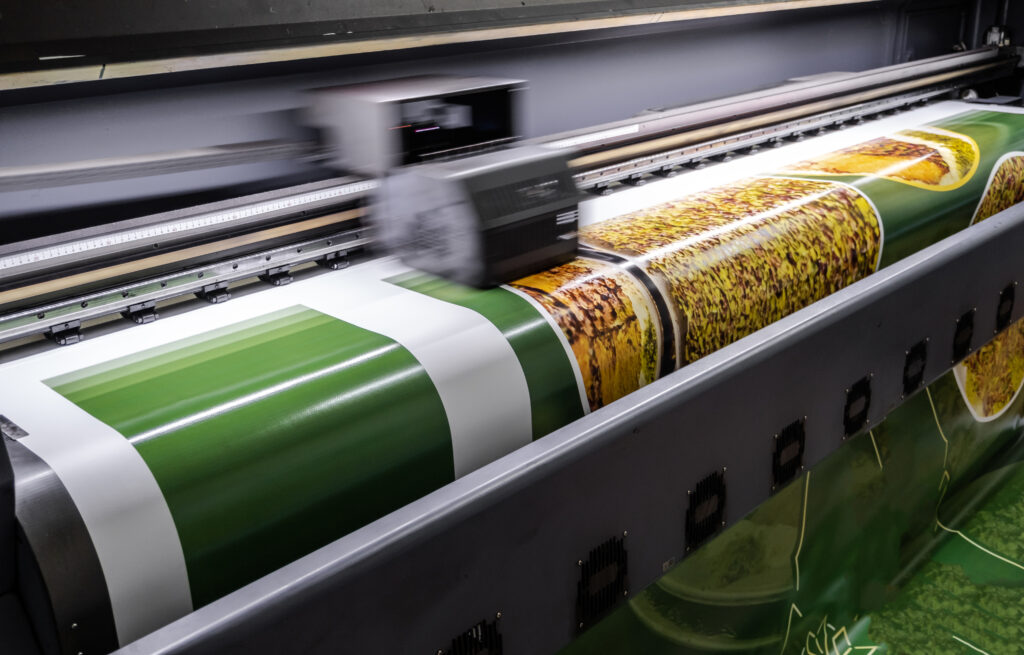
Here at City Designs, we focus on digital printing because it’s more sustainable and environmentally friendly than other print methods.
This article explores the environmental impact of digital printing, compares its carbon footprint to traditional printing methods, and looks at the technological advances that have made digital printing more sustainable.
How digital printing’s carbon footprint compares with traditional printing
When you look at digital printing versus old-school methods like offset, there’s a pretty clear winner for the environment.
Think about traditional printing – it can be a bit of a resource hog. It requires extensive materials, including aluminium printing plates, cleaning solvents, fountain solutions and various chemical compounds for plate processing. The make-ready phase alone generates significant waste through test prints and plate adjustments.
Digital printing? It’s a different story altogether. It’s like comparing a modern electric car to an old petrol guzzler. You just send your file to the printer, and off you go. No messing about with plates or chemicals. The whole thing’s much cleaner and simpler.
Sure, digital printing isn’t perfect. Everything uses energy at the end of the day. But it’s much smarter about it.
Traditional presses waste loads of paper, getting the colours right and setting everything up. With digital, what you see on screen is pretty much what you get, first time.
The best bit? You print only what you need. No more massive print runs gathering dust in warehouses. Need 50 brochures? Print 50. Need five more later? No problem.
It’s just more sensible all round.
Even the inks are getting better. Lots of digital presses now use water-based inks instead of the nasty chemical stuff. And because they can power down when they’re not being used (unlike those traditional beasts that need to keep running), they’re much more energy-efficient, too.
When you add it all up, digital printing is just more in tune with what we need today.
It’s smart, efficient and kinder to the planet.
Technological advances improving sustainability in digital print
New energy-efficient digital printers use less electricity, making them much more efficient than older models. They’re built with advanced tech that optimises power use during printing, so you save on energy without sacrificing quality.
Then, there are the advances in ink to talk about. Eco-friendly inks, including water-, soy- and vegetable-based options, are becoming the norm. These lead to a significantly smaller environmental toll from ink production and use.
And on top of the new machines and ink, there’s also more eco-friendly paper thanks to recycling. Many digital printing companies (like City Signs) use recyclable paper, films and substrates. That means an even further reduction in waste once you’ve finished with your media.
Full lifecycle impact of digital printing
Digital printing’s impact on the environment comes down to a few key stages:
- Material sourcing – digital printing uses a mix of paper, plastics and textiles, all of which have different environmental effects depending on where they come from. While materials like FSC-certified paper are sustainably sourced, others may contribute to deforestation or use a lot of water and chemicals during production.
- Energy consumption – digital printing uses less energy than traditional methods like offset printing, but it still needs electricity. The carbon footprint depends on where the electricity comes from. If it’s from fossil fuels, there will be extra emissions to factor in.
- Waste generation – digital printing creates less waste than traditional methods because it doesn’t require plates or excessive ink. Still, ink cartridges, paper waste and unused prints might end up in landfill. Not all materials are recyclable, so it’s more about cutting waste down than eliminating it entirely.
- Disposal – many materials can be reused or made into something else. However, some may end up in landfill, especially if they aren’t recyclable. Even though digital printing uses fewer hard-to-recycle materials, disposing of plastic-coated prints or other substrates can still cause environmental harm.
Practical tips for making your digital printing operations more sustainable
Want to know how to make your digital printing processes more sustainable?
Start simple. It’s often these steps that have the most significant impact on reducing your carbon footprint:
- Minimise waste by printing on demand to avoid overproduction. Digital printing is already more waste-efficient, but every little bit counts.
- Choose eco-friendly inks and materials that are low in volatile organic compounds (VOCs) and are recyclable or sustainably sourced. This makes a big difference right from the start.
- Focus on end-of-life disposal by using easy-to-recycle materials. The substrates used in digital printing are usually more recyclable than those used in more traditional print methods.
- Partner with sustainable suppliers who prioritise eco-friendly solutions in their operations. Ensure your whole supply chain is aligned with your sustainability goals.
- Invest in energy-efficient equipment if you do your own printing in-house. Newer printers consume less power, so upgrading saves energy in the long run.
How can City Signs help?
Nothing is entirely free of environmental impact, and digital printing is no exception. However, recent technological advances and a greater focus on sustainable practices make it a more eco-friendly option than traditional printing methods.
As digital print technology continues to evolve, it holds great promise for a greener future in the printing industry.
So, if you’re ready to make your printing operations more sustainable, get in touch with us at City Signs. We’d be delighted to chat as we explore eco-friendly digital printing solutions that reduce your business’s environmental impact together. Contact us today to learn more. We look forward to hearing from you.